Surprising Reasons to Work with a Designer
Not sure if you need a designer? Start here.
At Thought Partner, some of our most successful collaborations have started with a conversation that wasn’t really about design. It often begins with a potential client saying something like:
We know we need a logo... but we’re still figuring out our story.
We want people to understand what we do, but it’s hard to explain.
We’re planning a workshop, but we don’t want it to feel like one.
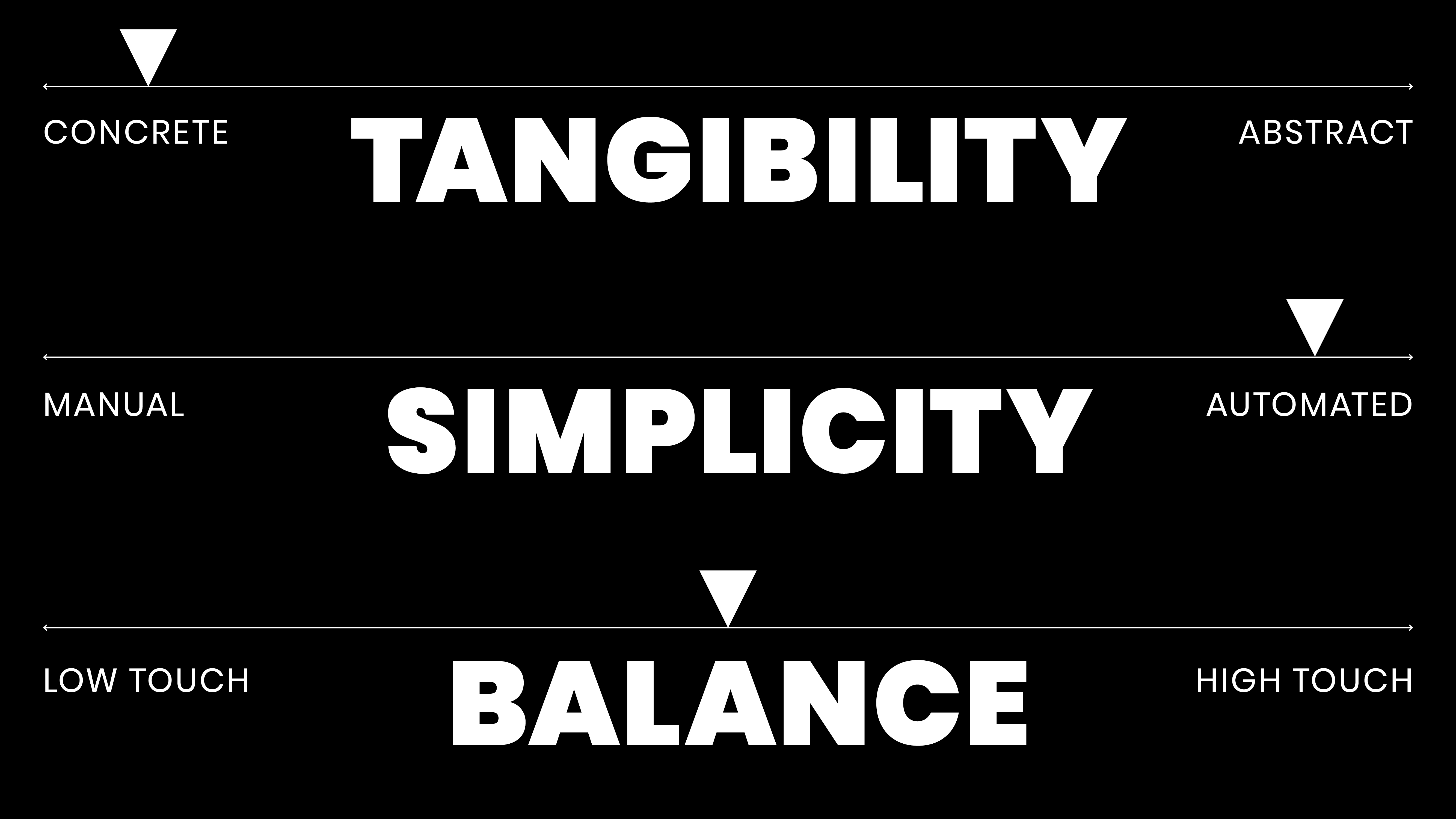
In these early conversations, we’re not talking colors and typography—we’re helping people clarify what they’re building, what they believe in, and how they want to show up in the world. Design becomes a tool to explore, clarify, and communicate emerging ideas. Nothing has to be fully baked. If you’re not sure whether you need a designer, or if Thought Partner might be the right fit, here are some surprising reasons past clients have come to us — and what they discovered in the process:
1. You’re still shaping your idea.
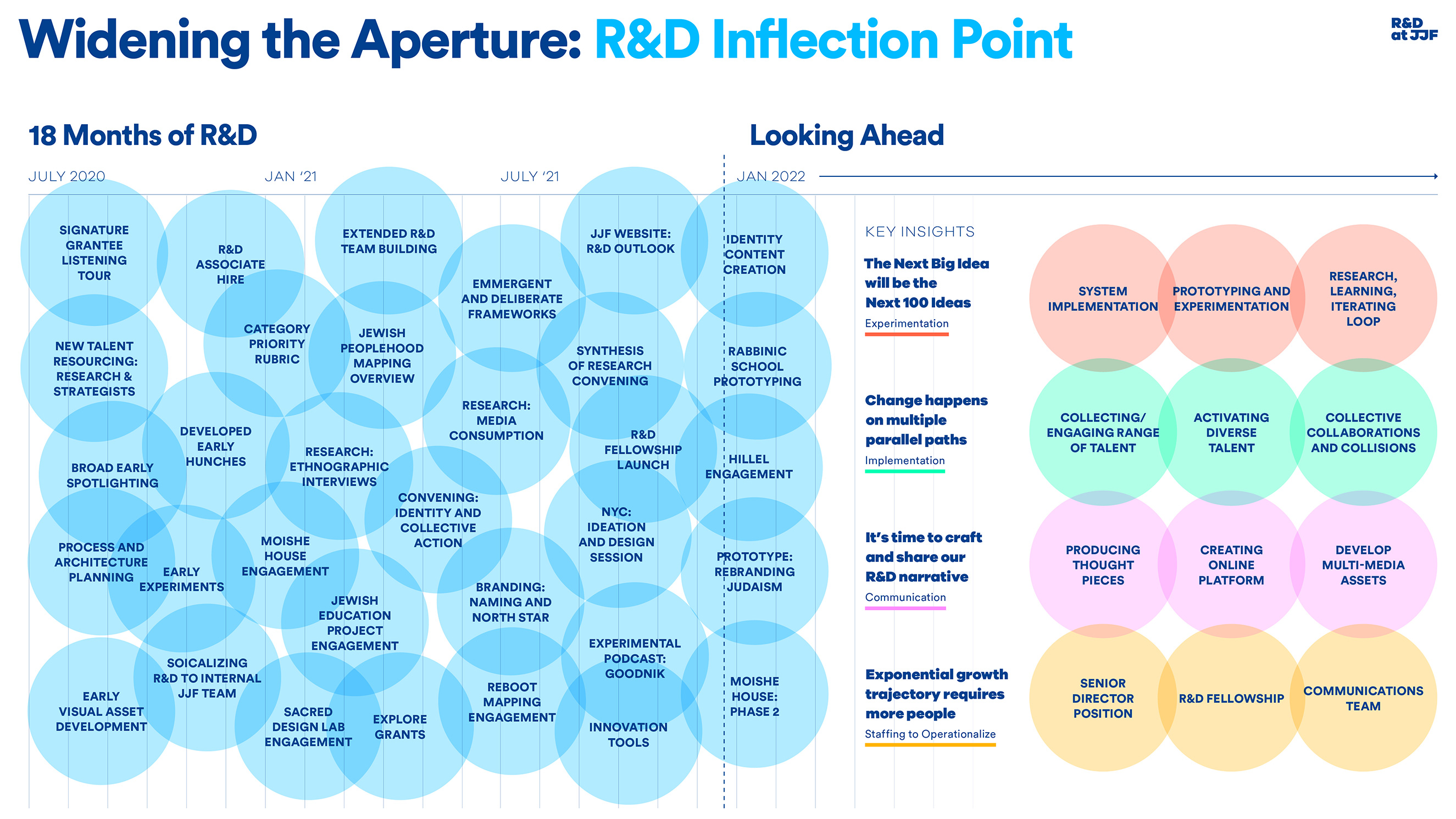
Some of our most rewarding projects have started before there was a clear brief. Clients have come to us with big, ambitious ideas that were still taking shape. In those early stages, our job often involves listening, helping organize messy thoughts, and finding the throughline.
We’ve worked with the groundbreaking organization Common Era since their earliest days. Before there were clear deliverables, we were simply talking things through with the founder — making sense of ideas and giving them structure, narrative, and visual form. Sometimes this meant sketching diagrams, sometimes curating images, sometimes drafting frameworks. But always, it meant helping make the abstract more accessible and understandable.
Design, in this case, wasn’t about output. It was about vision-building.
2. You think you just need one “thing.”
A logo, a report, a deck. Yes, we design those things. But often what’s needed is clarity about audience, purpose, or message.
With OpenSecrets, their request to us was simple: lay out an annual report. But as we moved into the work, it became clear that content gaps could hold back effective communication. We prompted the team for missing context, suggested tighter framing, and helped shape the narrative visually and editorially.
Design’s role isn’t just to beautify, but to help the story land with your audience.
3. You’re crafting an experience, not just a document.
Design can elevate moments that might otherwise go unnoticed — whether it’s a gathering, a guidebook, or a one-off event. It helps clients create experiences that are not only functional, but intentional and memorable.
With Edelman Financial Engines, we supported the design of a full-day advisory workshop that could easily have felt like just another meeting. Instead, we created a curated environment, complete with interactive tools, discussion prompts, and a strong visual identity, to make the day feel thoughtful, engaging, and productive. People walked away not only with new insights but with a renewed sense of connection and clarity.
At Riverdale Country School, we helped a team craft a campus discourse guide — a formal yet accessible publication that laid out a framework for inclusive dialogue across their community. Rather than a speech or memo, the printed piece became a touchpoint people could return to, reference, and share. They even presented the work at a national education conference, expanding its impact beyond the school.
Good design doesn’t just inform. It invites participation and signals that the work matters.
4. You have research or insight that needs to connect.
Research (especially stakeholder or user interviews) can uncover powerful insights. But insight alone isn’t enough. It needs to be shaped, visualized, and communicated in ways that resonate across teams and audiences.
At one of the country’s largest banks, human factors research was translated into clear, visual frameworks — tools that helped decision-makers see patterns, understand needs, and act with confidence.
In a Department of Education initiative, participant-facing materials were designed not just to collect input, but to foster accessibility and engagement. By treating design as part of the research process, not just the output, those efforts become more inclusive, impactful, and easy to share.
Design helps bridge the gap between data and understanding.
5. You don’t have all the answers yet.
You don’t need to show up with everything figured out. In fact, some of the best design outcomes come when our clients are open to dialogue, iteration, and discovery.
A chef in New Orleans reached out to us for help branding his culinary concept. Even in our earliest conversations, it was clear how central storytelling was to his business and that design could help articulate the connection between personal history, cooking technique, and place.
We’ve also worked with teams who hand off content but welcome edits and suggestions. In many cases, we help trim, clarify, or even reframe what they’re saying.
Good clients understand that some of the best work happens through dialogue instead of dictation.
Who Thought Partner Is *Not* for
If you’re just looking for a one-off service — say, a logo in a week with no questions asked — there are designers (and now AI tools) better suited to that kind of work. We’re not a plug-and-play solution, and the problems we solve can’t be automated.
Our best work happens with clients who are open to process, who value collaboration, and want their story told with care and clarity. That takes time, dialogue, and a willingness to sit through ambiguity before finding a way forward.
We ask questions. We challenge assumptions. We care deeply about the outcome, sometimes more than our clients expect. But when there’s mutual respect, shared investment, and room to be in conversation, we create work that moves people.
Still not sure? Let’s talk.
We love first conversations. Sometimes they’re more like therapy. Sometimes they clarify things you didn’t realize were unclear. And sometimes, they help you realize what you don’t need right now, which is just as valuable. If you’re on the fence, reach out. We’ll help you figure out whether we’re the right partner or help point you toward someone who is.
© Thought Partner