Designing Across Disciplines: The Overlap of Graphic & Interior Design
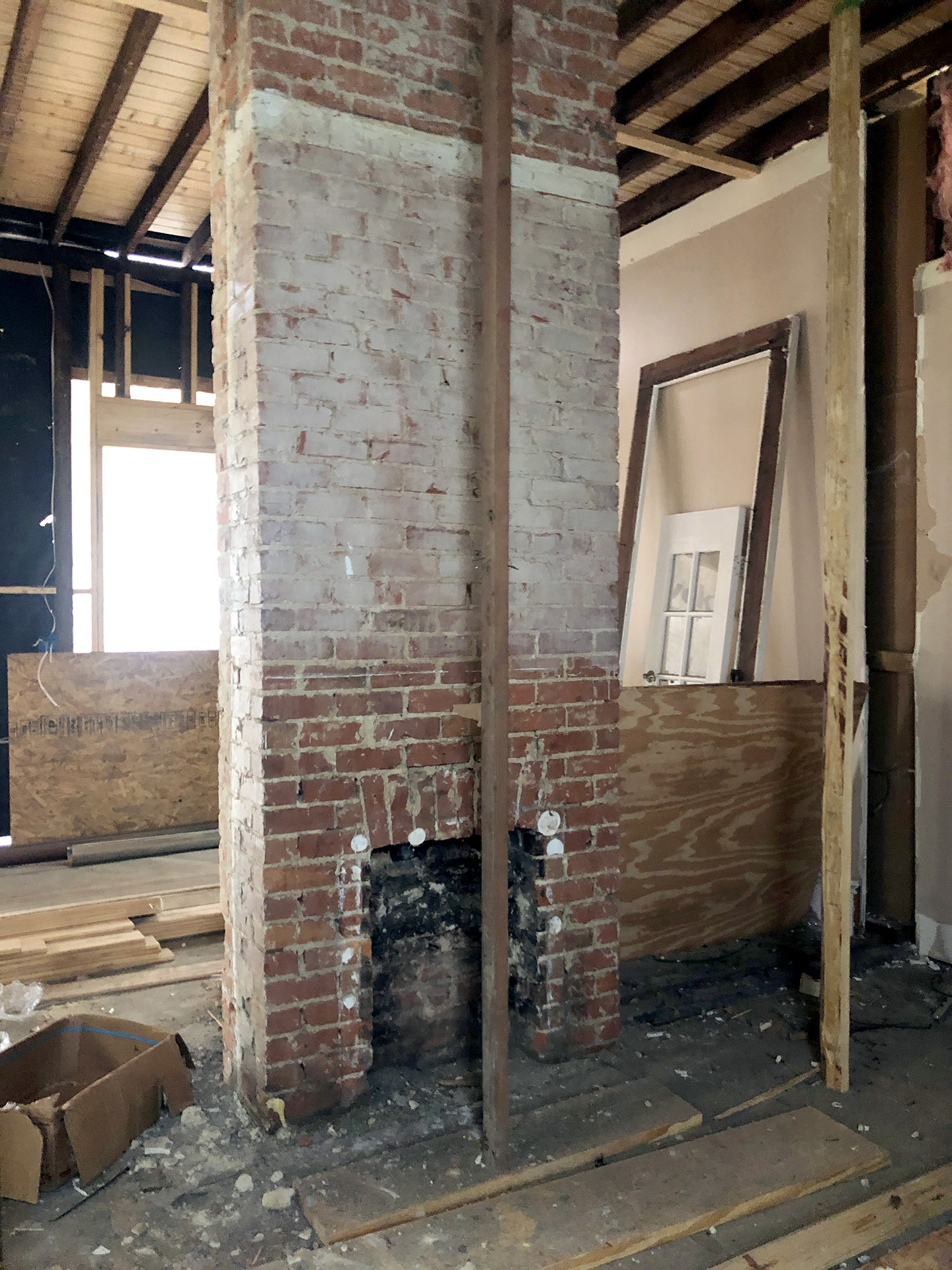
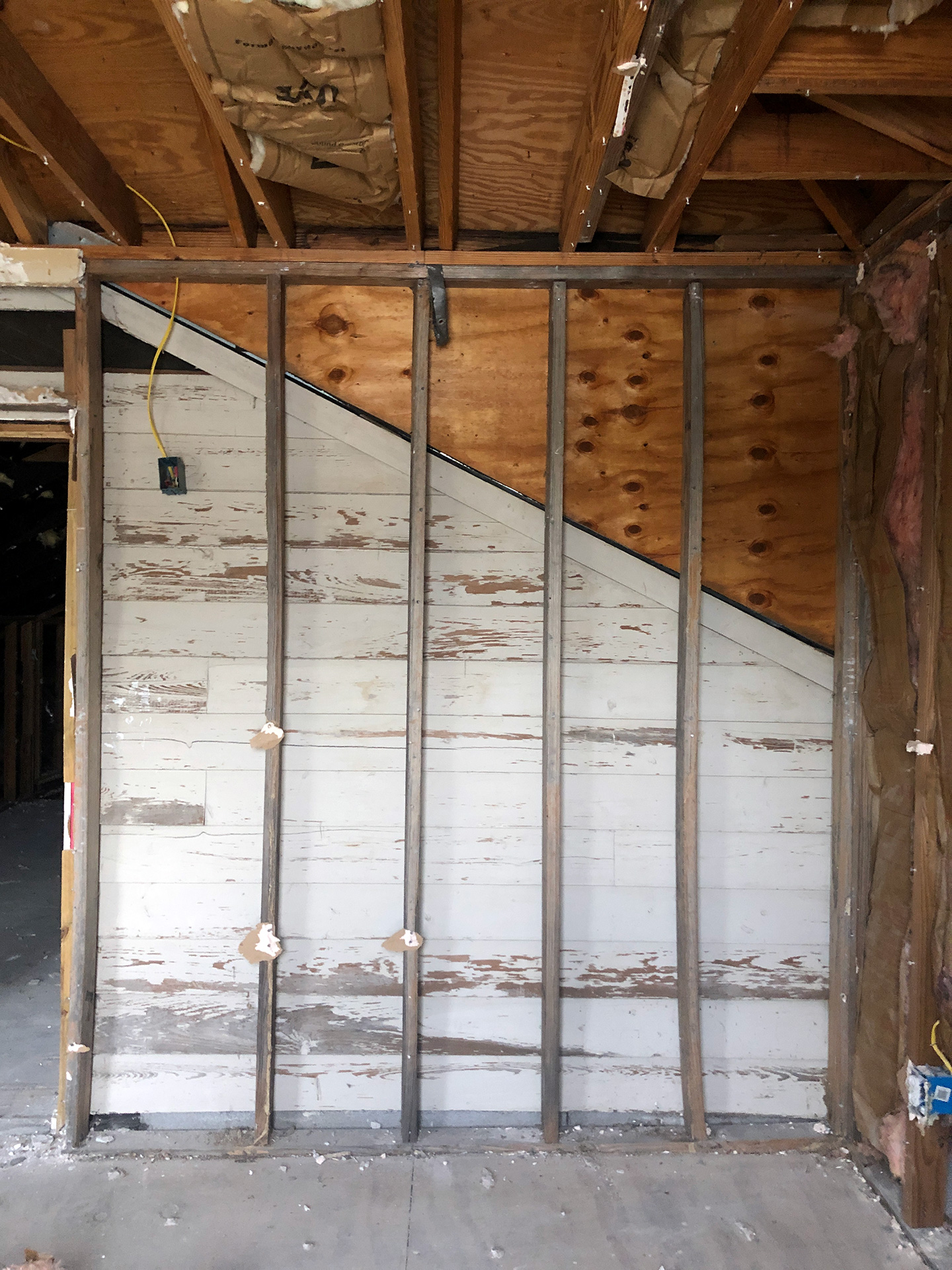
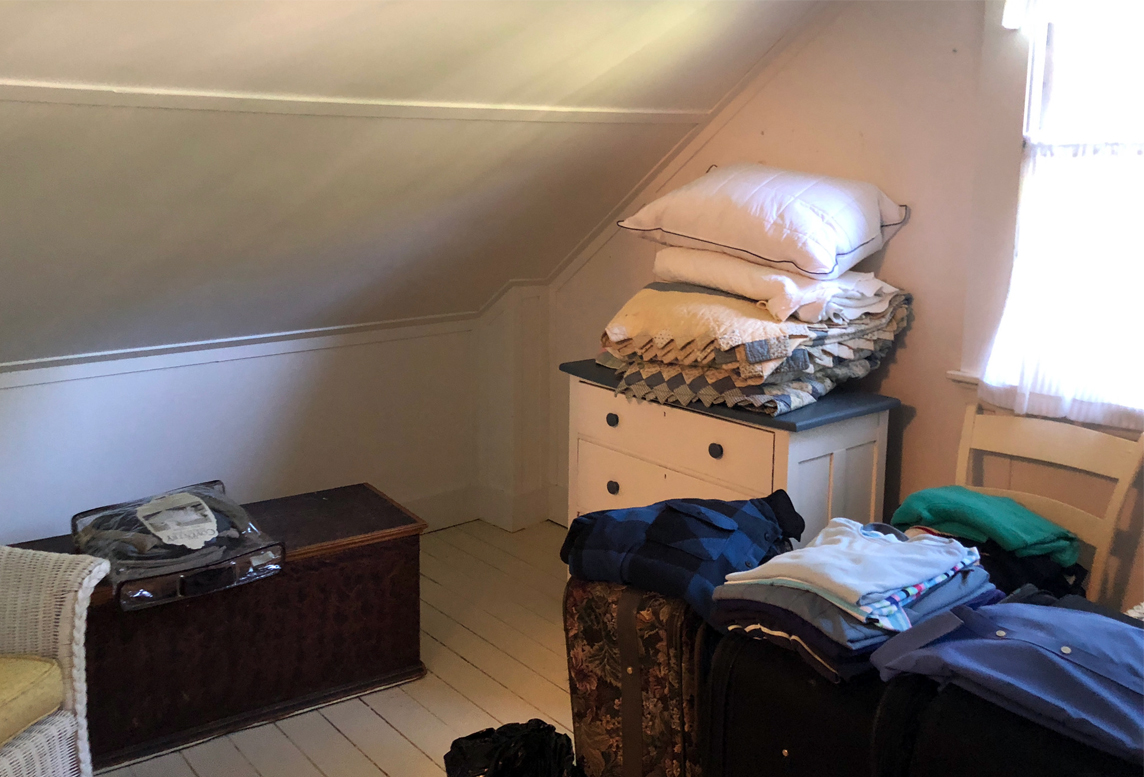
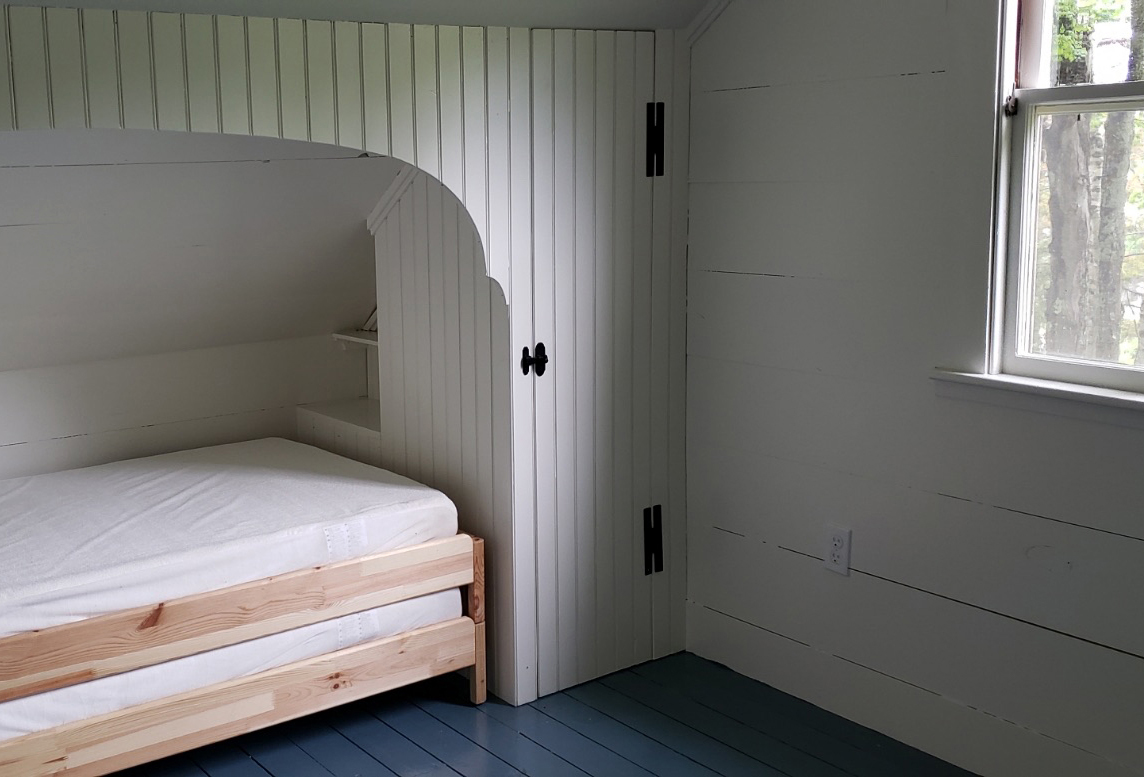
Thought Partner’s first full-fledged foray into interior design began close to home with a collaborative project on Chippewa Street in New Orleans, designed with local architecture and interiors firm StudioBKA, and extended to the renovation of a 100-year-old summer retreat on an island in the Portland, Maine harbor.
In both cases, the draw wasn’t just the interiors themselves, it was the opportunity to tell a story. Each space came with its own history, its own bones, and its own sense of character. In this conversation with founder and director Ellen Sitkin, we explore the overlap between graphic and interior design, how narrative drives our approach across disciplines, and how thinking at a macro level allows us to move fluidly between environments, brand identities, and everything in between.
How did you realize interior design was something that you could do within your scope of work, without formal training?
I didn’t study architecture in school, but I’ve always thought of myself as architecture-adjacent. From my early interest, reading books about it and visiting historic properties — like Shaker communities around New England — to summer studies at the Boston Architectural Center to creating identities for architects, it’s always been in my orbit. After a friend saw the Chippewa Street project, she asked if I could help with her own house. It was then that I started to realize my skills were transferable between design disciplines. There are certain fundamentals of graphic design that apply to interior design: shape, color, contrast, texture, etc.
When you were working on Chippewa, were you consciously applying principles from graphic to interior design?
No, I think it registered after the fact. Reflecting on the process of working on Chippewa Street and also the house in Maine, including making mood boards and pairing different colors and materials to see how they work together — those are the basics of any creative process. And working so closely with an architect and a contractor on Chippewa was a crash course in the interior design process. I couldn’t do things ad hoc; I had to look at everything holistically. And that was made easier by working with an architect throughout the planning process.
Looking back, were there any 'aha' moments during the design process?
I remember looking at the floor plans and realizing, “I want these windows aligned,” just as I would do on the page or screen when working on a graphic design piece. I suggested shifting the new windows at the back of the house to center-align with the historic front ones, even though they were on the opposite ends of the house with rooms in between. It might seem minor, but that sense of alignment and symmetry mattered — it affected the natural light, and brought a sense of calm and ease to the space. It’s one of those design decisions most people won’t consciously notice, but they’ll feel good in the space, even if they can’t quite pinpoint why.
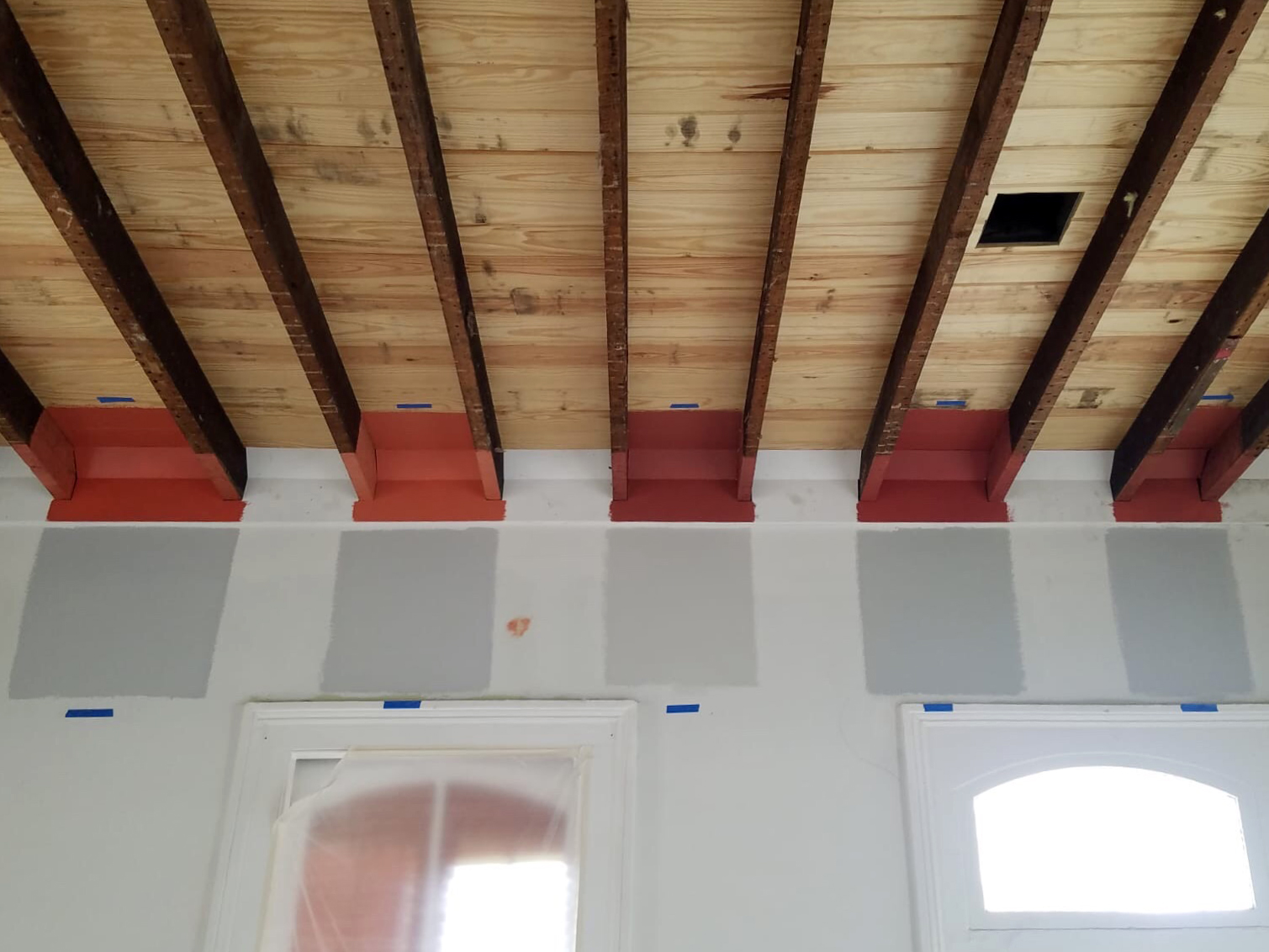
I lean on a lot of the same principles I use in graphic design. For instance, I use the color wheel the same way. I chose a green velvet sofa for Chippewa because it reminds me of the one at my grandmother’s house. Red is the complement, but I didn’t want it to feel Christmas-y. So, I shifted the red slightly toward orange. We went with a rust color on the exposed beam ceiling. That small adjustment keeps the harmony, but makes the palette feel more layered and sophisticated.
And has your interiors work influenced your graphic design work?
Yes, but maybe less in terms of form, and more about process and project management. I had to manage the Maine project remotely, during the pandemic, which required extremely tight collaboration with the contractor. Daily calls, video chats, photos, hand sketches texted back and forth — it was ultimately about forging a really strong, trusting relationship. In many ways, that’s Thought Partner’s sweet spot.
So, how do you see the overlap between graphic design and interior design?
There is certainly some overlap between the two disciplines in terms of research — again, one of the parts of the process we love. But also with the narrative aspect of it. With graphic design, it's about crafting a narrative that's clear and compelling to an audience. There's an element of that to interior design too, though the audience for a residential project is obviously different. The Chippewa property had lost its soul from hodgepodge renovations over decades. So the question was, how do we find the nuggets in the existing structure that can help craft a new narrative for the space—bring to life something that lost its thread. It’s not necessarily the story of the people who live, or lived, there—though it could be—but the story of the structure itself: how it came to be, and what makes it special.
How do you begin to reimagine a space that’s lost its original character?
In the case of Chippewa, it was mostly about focusing on the formal elements in the house because we didn’t have much information about its history. For example, we decided to expose the beams—an original element of the house that was previously hidden, bringing them into focus and making them a defining feature. And then we asked, how do you bridge the past, the historic parts of the house, to the new parts we’re adding? One way we did that was to repurpose the existing fireplace mantles from the dining room and place them in the kids’ bedrooms almost exactly aligned with the old chimneys, which are still intact and visible on the roof. It was our way of saying, “Hey, there used to be fireplaces here.” That way you can start to imagine how the space might originally have been used.
What connects the different types of projects Thought Partner takes on, whether it’s a brand identity or an interior?
At the heart of it, we’re interested in work that’s grounded in meaning — projects that have a story, or at least the potential for one. Whether we’re designing a visual identity or reimagining a physical space, we’re always looking for the throughline: what’s already there, what’s worth highlighting, and how we can shape it into something intentional and resonant. The medium might shift, but the process — listening closely, thinking deeply, and designing with care — stays the same.
© Thought Partner