Form and Function in Fiesole
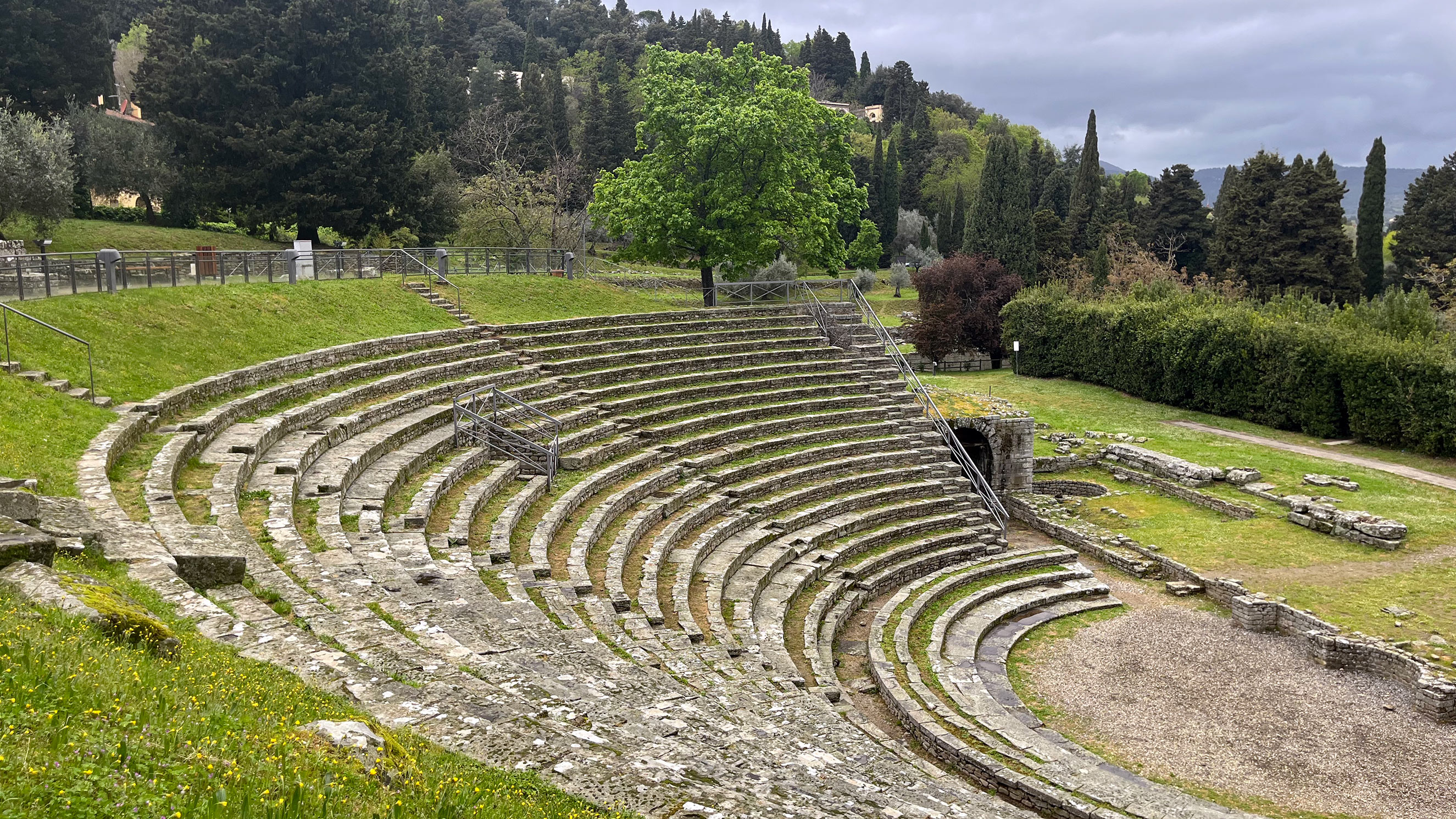
Here at Thought Partner, we think a lot about time: how messages age, how trends shift, and what it means to make something last. On a recent trip to Fiesole — a quiet town perched above Florence, Italy — we found a powerful example of enduring design, not in a museum, but under the open sky.

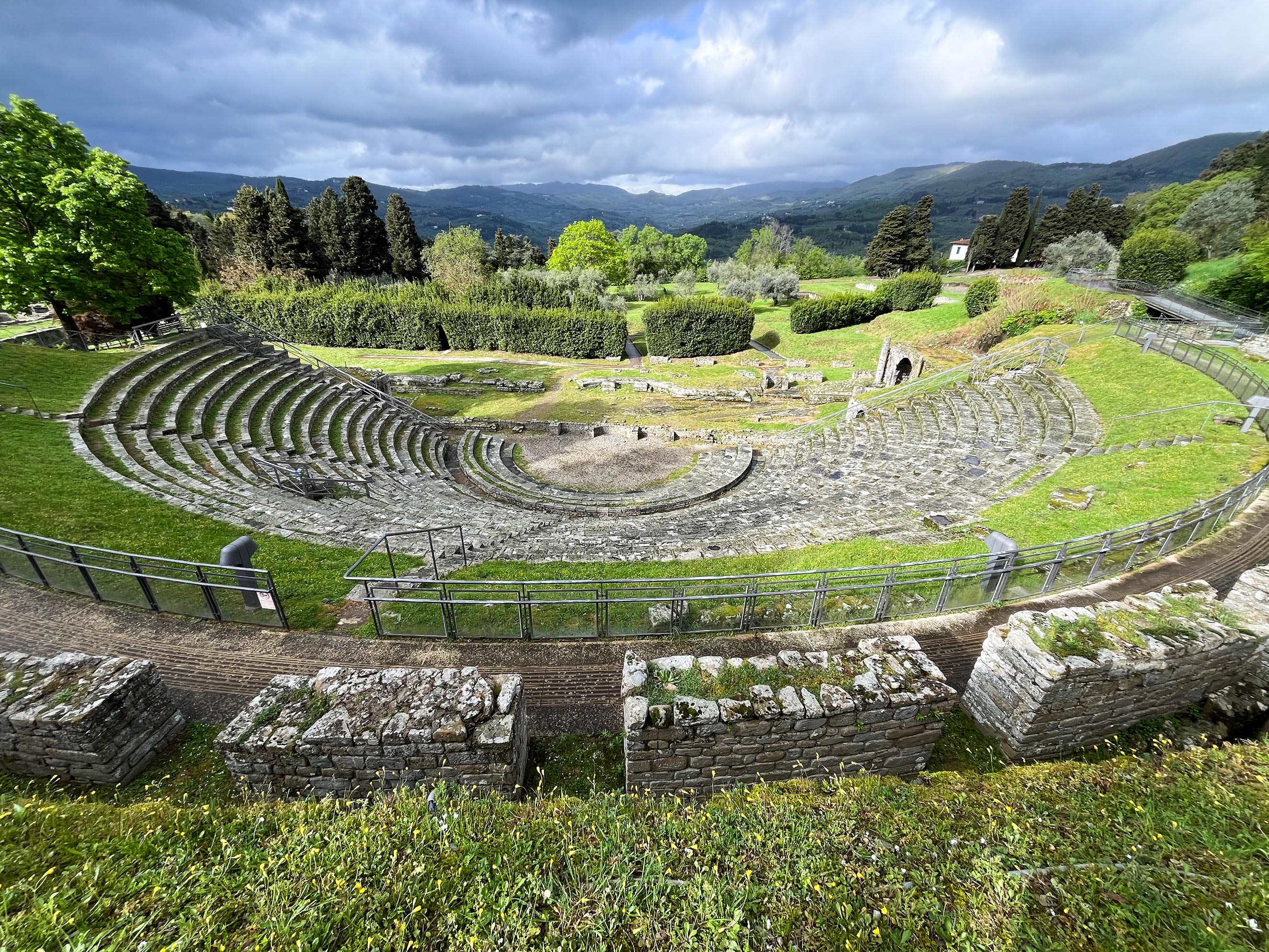
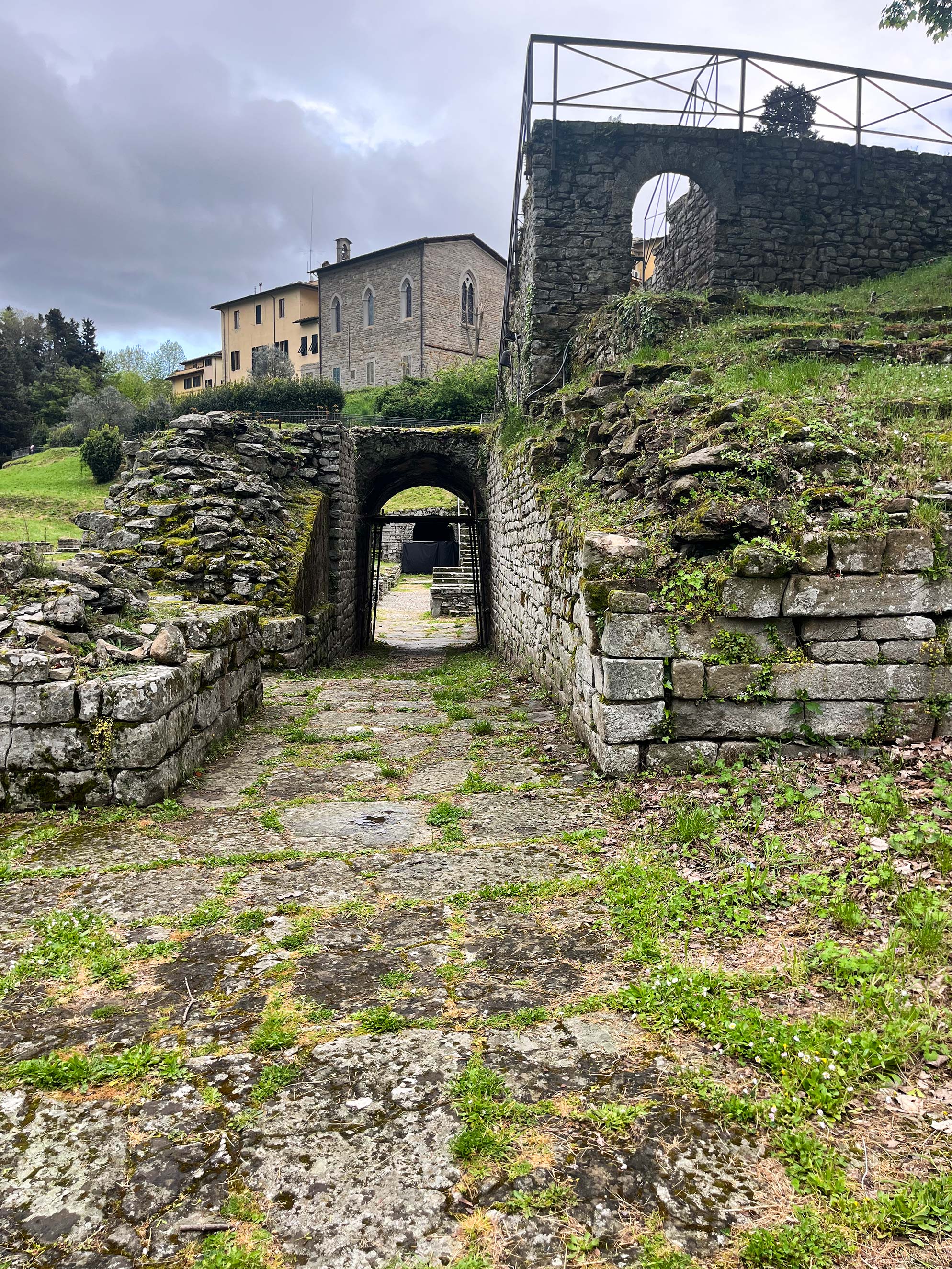
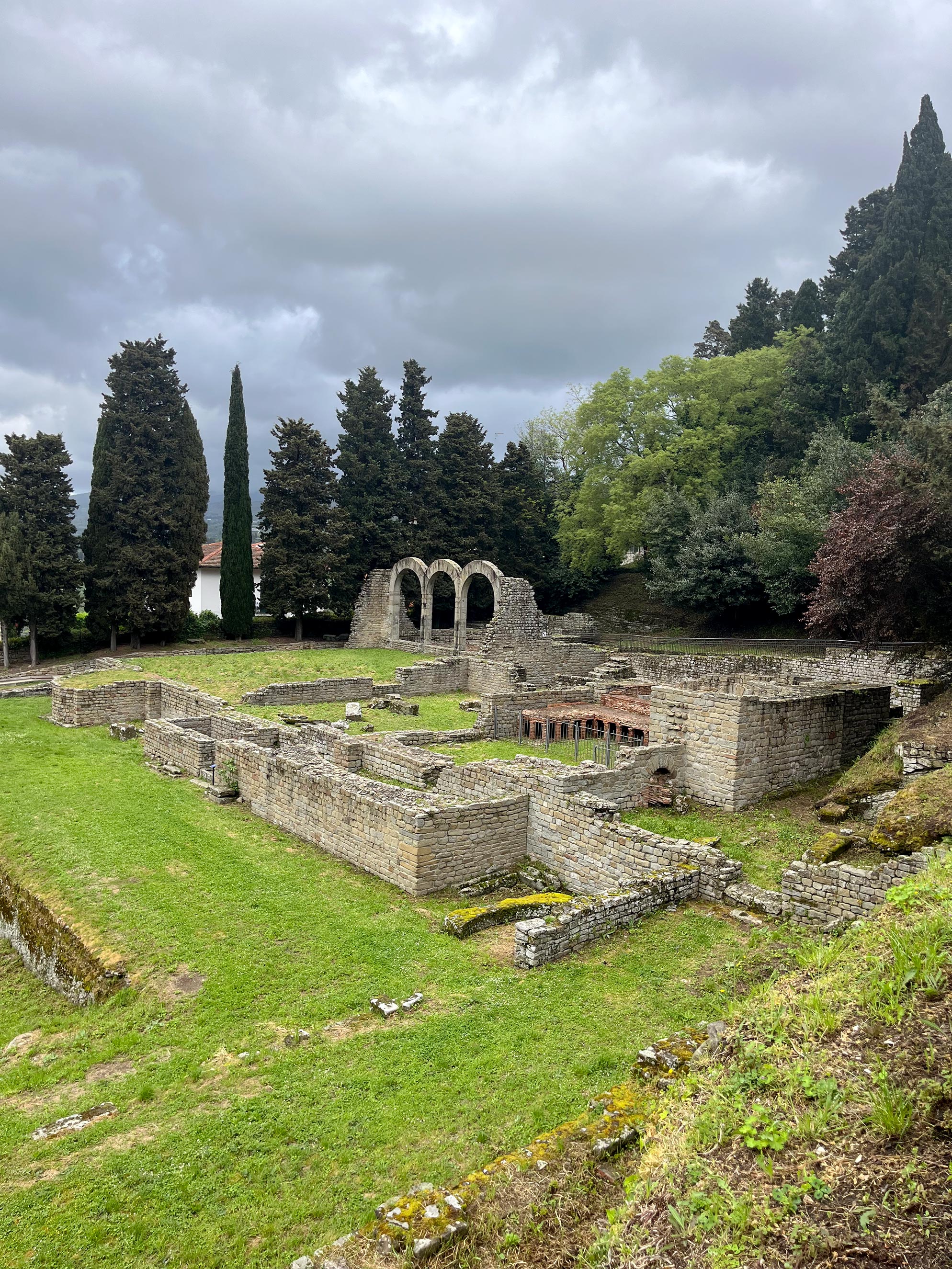
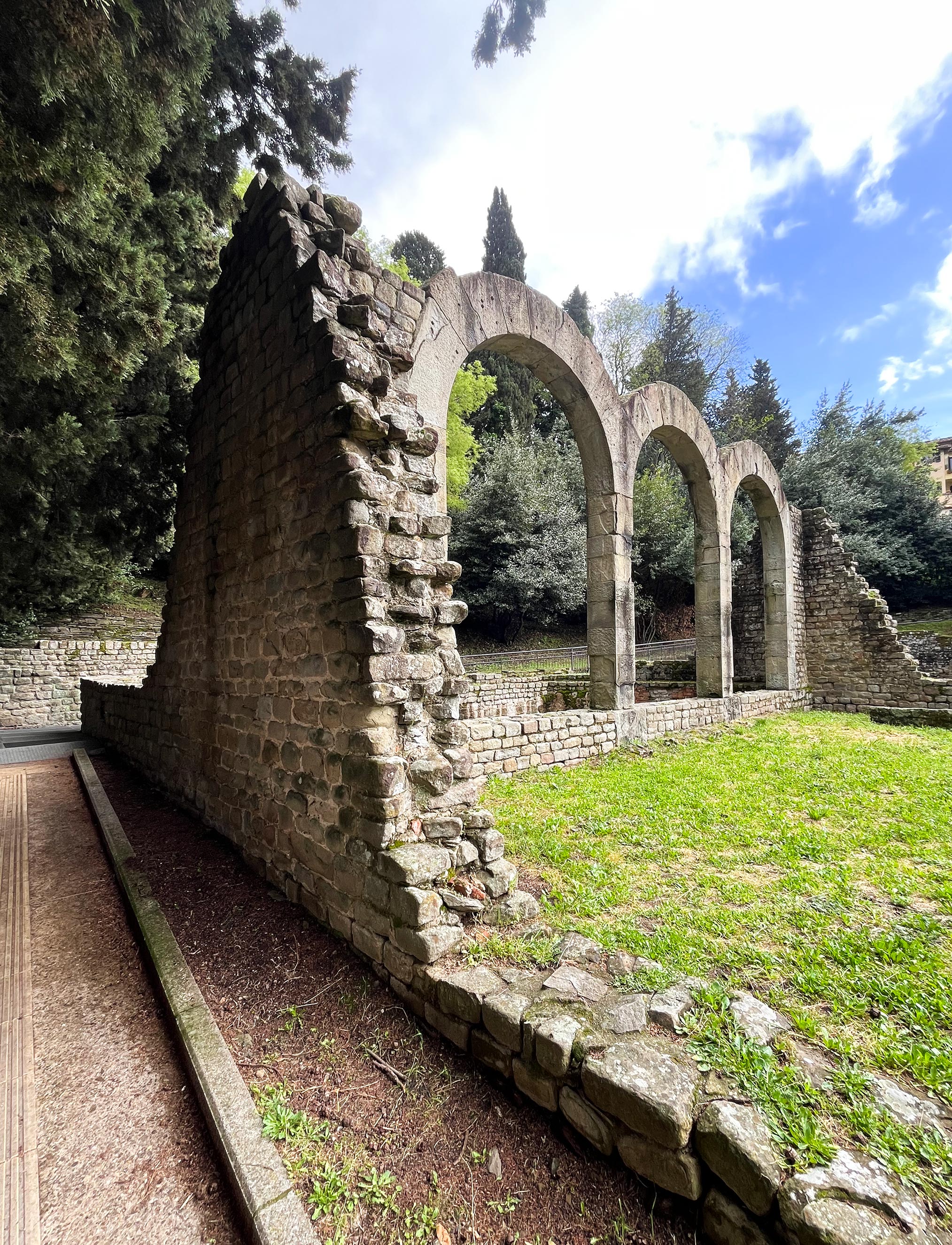
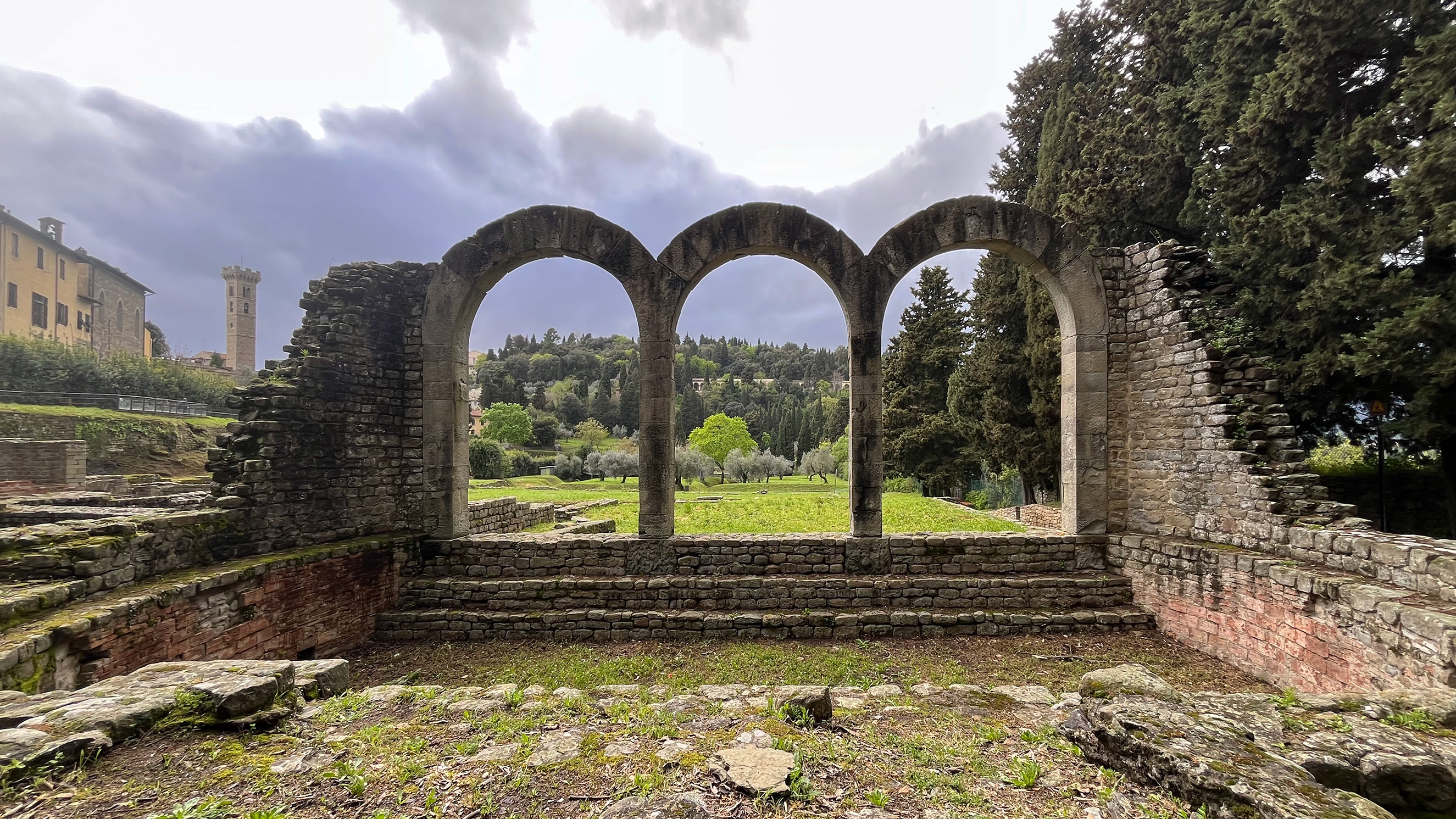
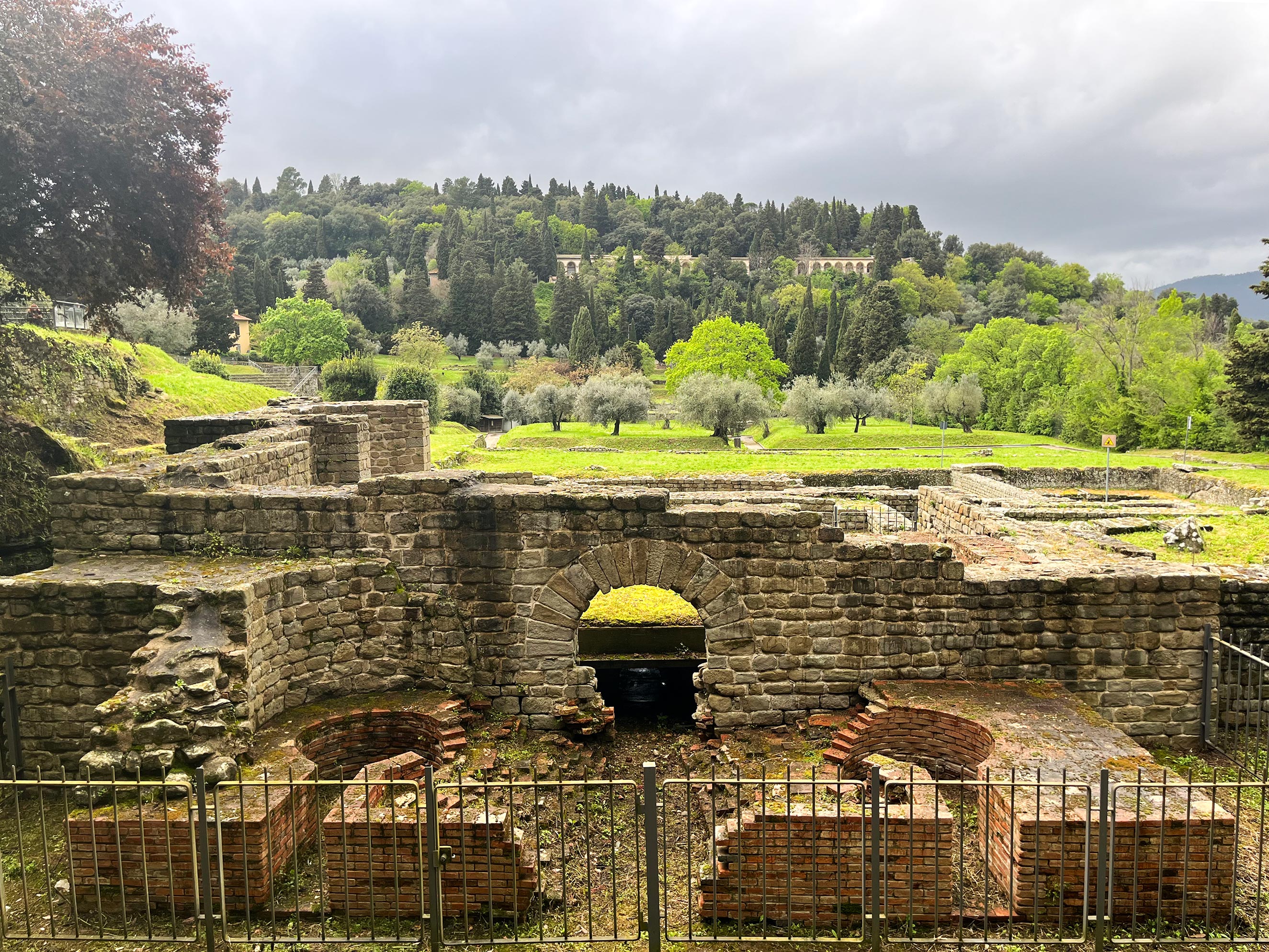
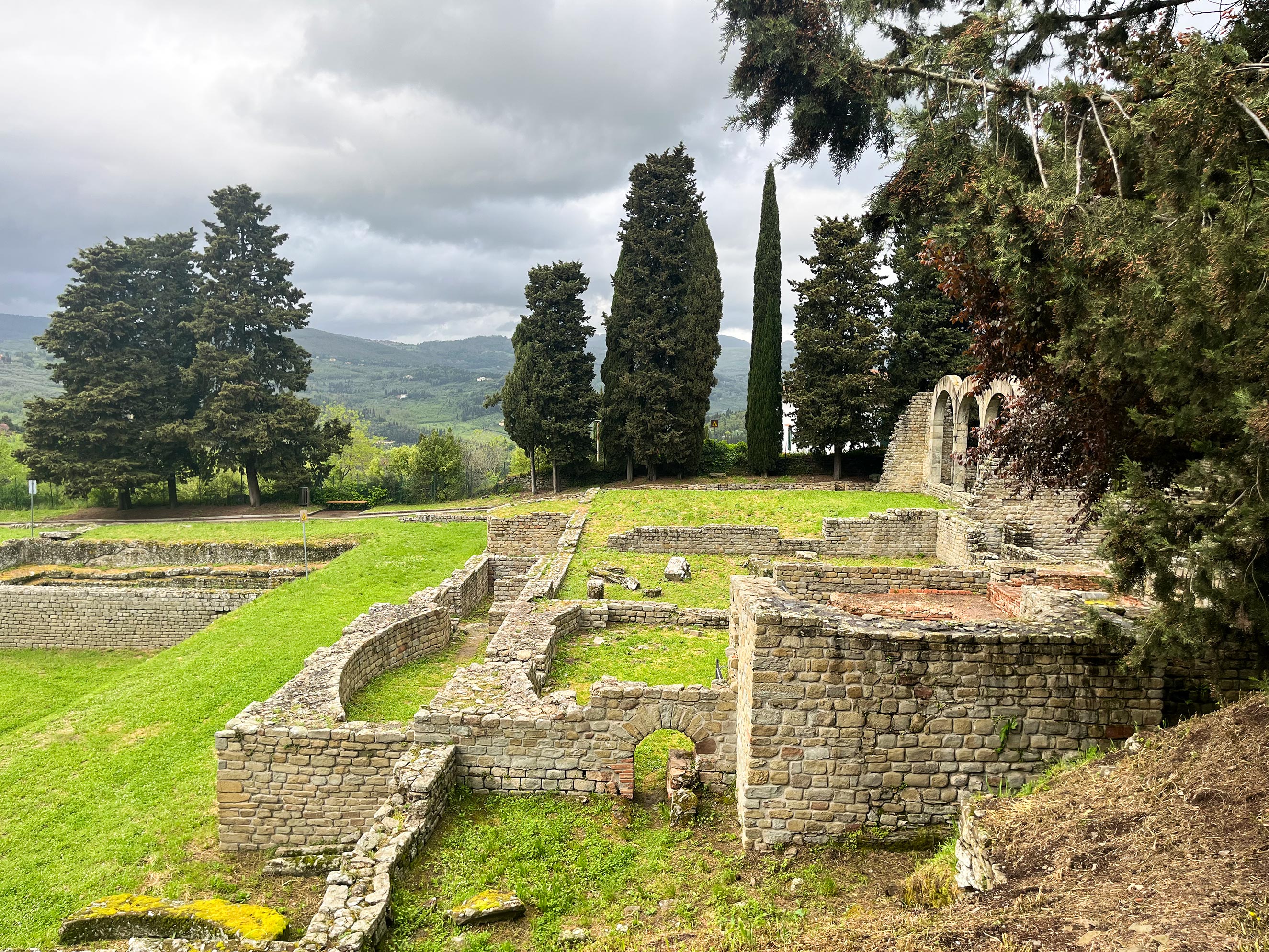
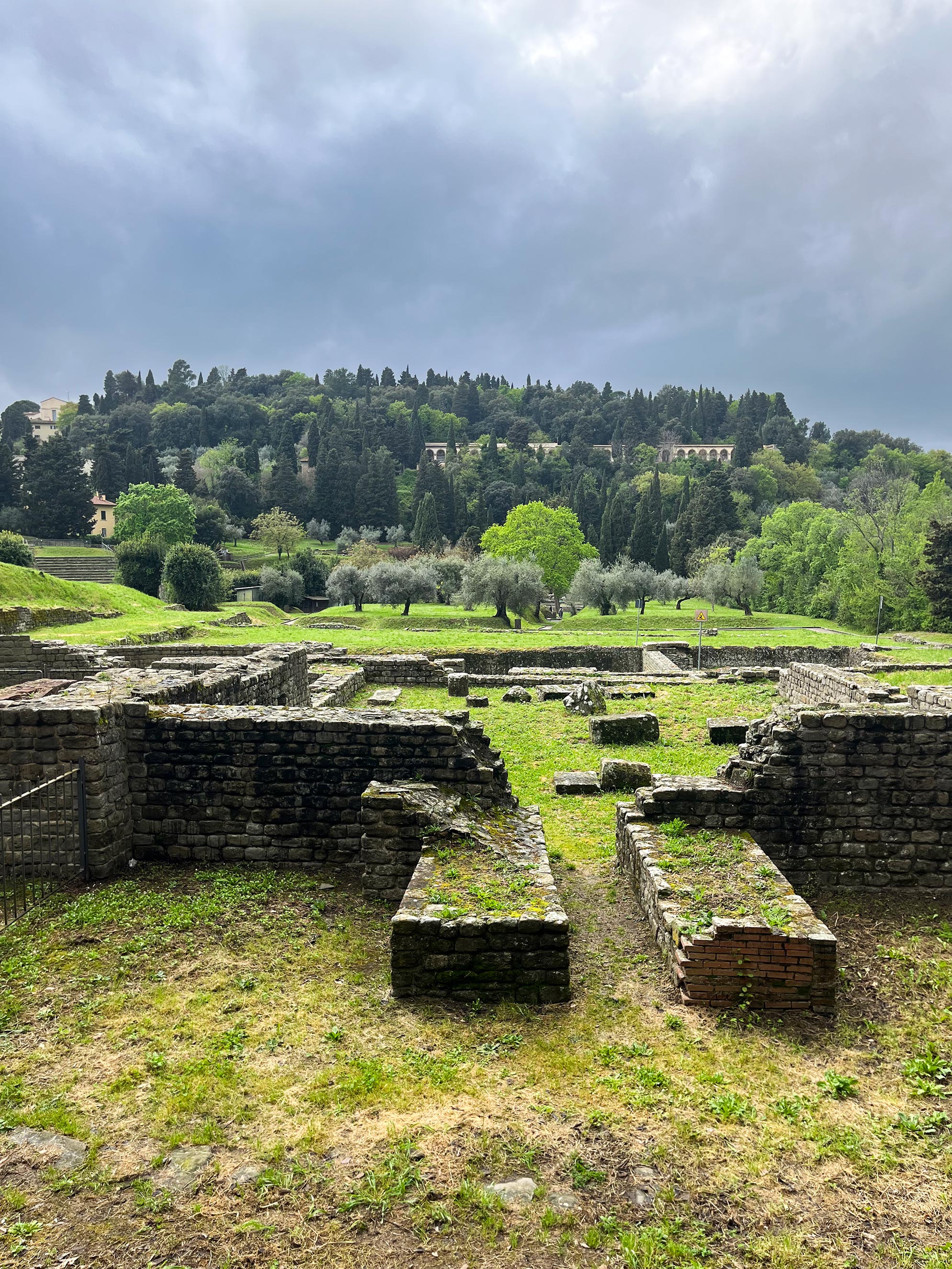
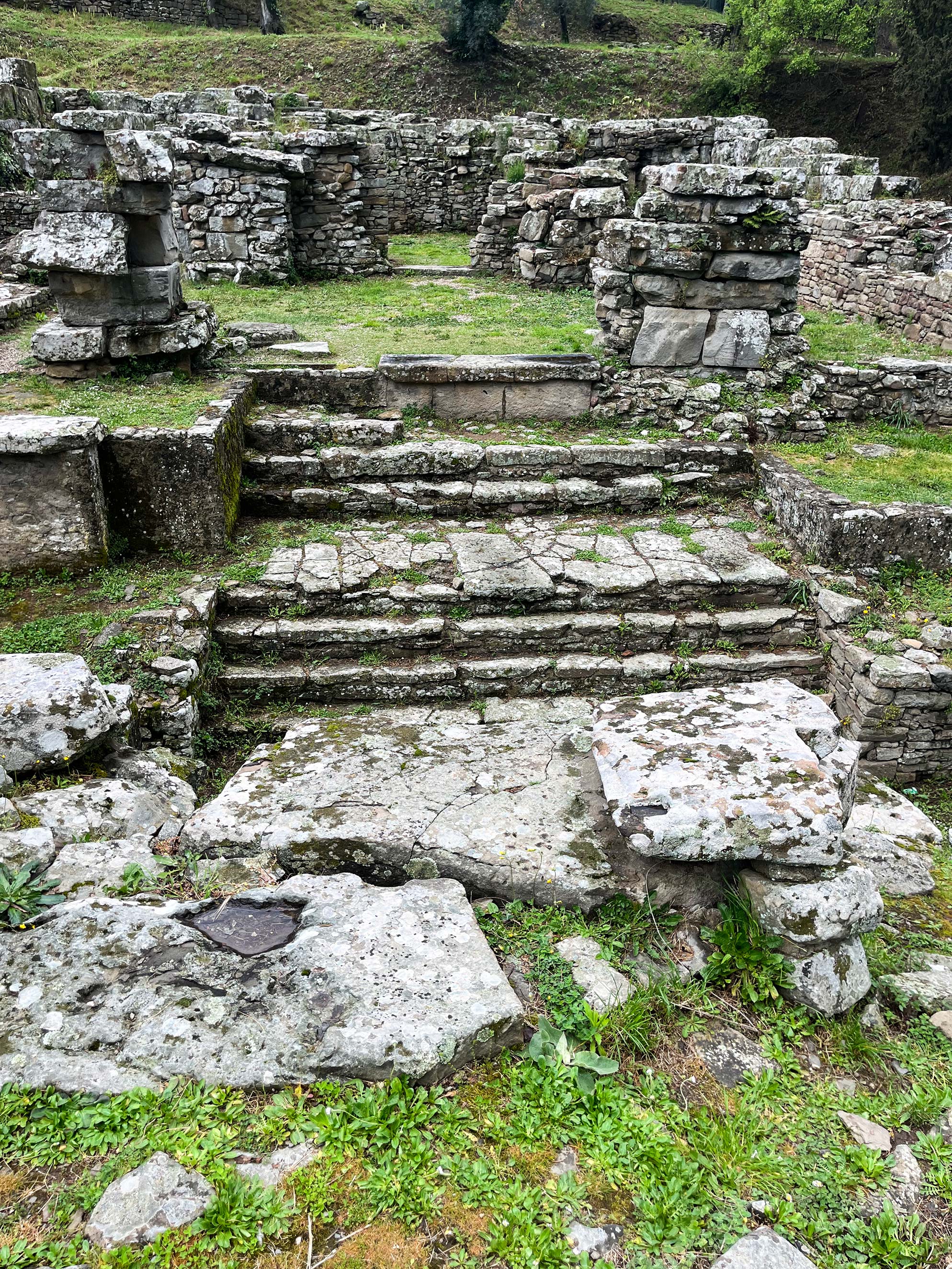
The Roman theater and Etrusco-Roman temple there are poetically intact. Column fragments rest in the grass. Stone seating still curves into a perfect semi-circle, ready for an audience long gone. And yet, the site is still in use — each summer, the ancient structure welcomes modern audiences for concerts, films, and theater performances.
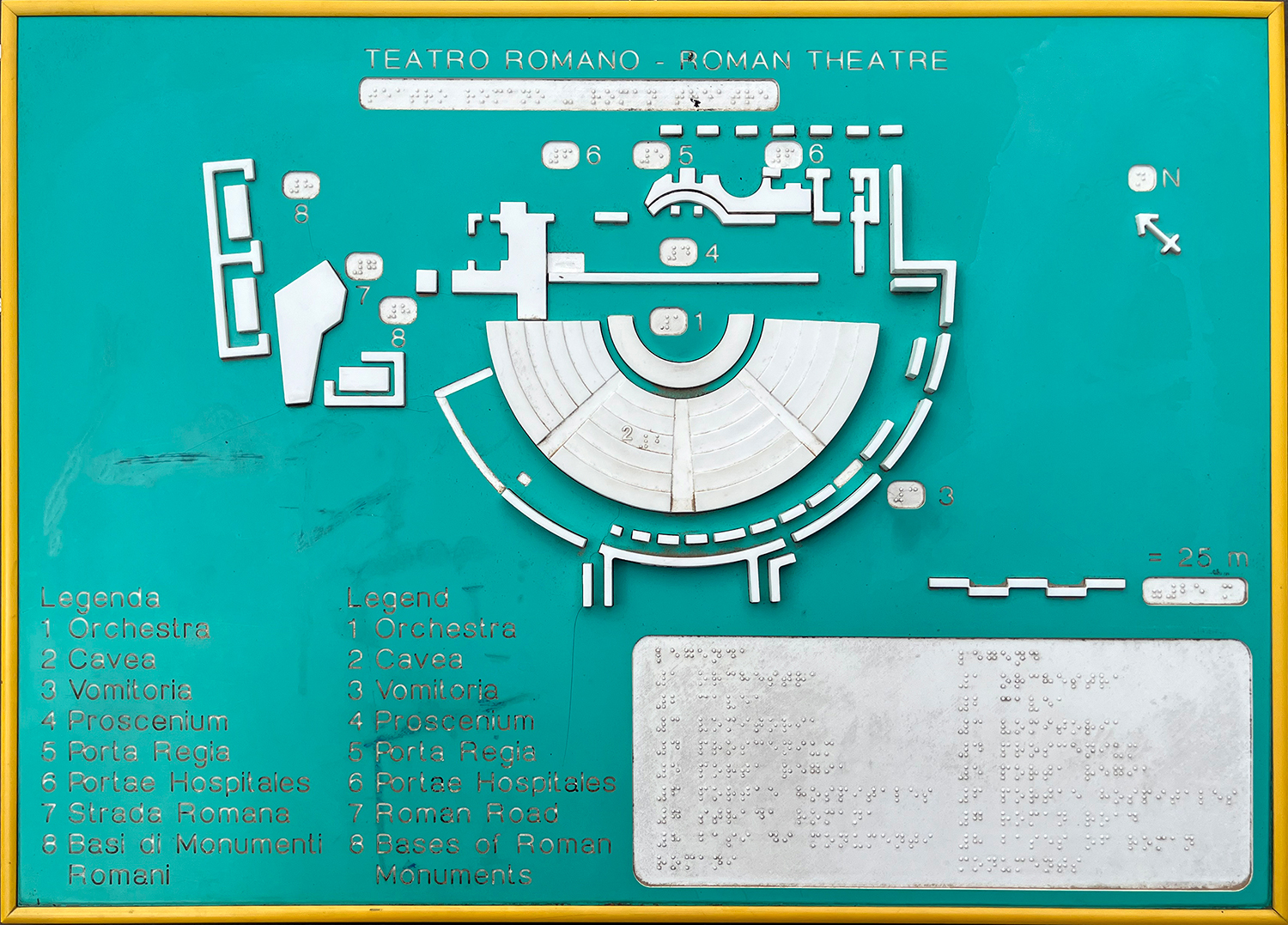
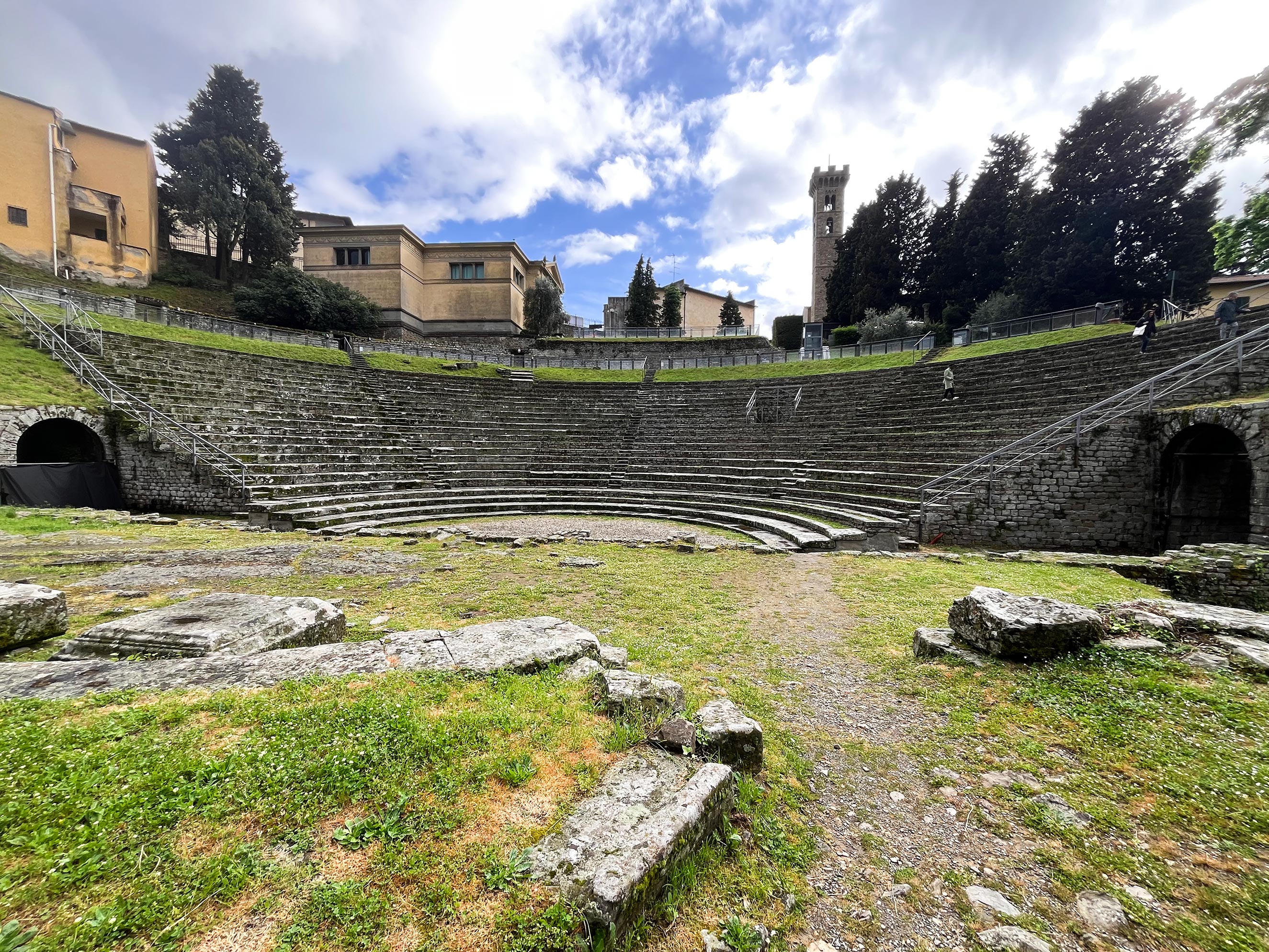
Among the details we noticed was the theater’s vomitorium—not a place for vomiting, as we initially assumed, but a series of curved passageways designed to let large crowds enter and exit smoothly. From the Latin vomere, meaning “to spew forth,” these corridors allowed people to stream into the amphitheater or flow out after a performance during heavy foot traffic, preventing bottlenecks and making the experience feel effortless. It’s a striking example of form serving function, in a way that’s both intentional and remarkably effective.
Both the elegance of individual features and the overall coherence of the space stayed with us. Ornament has deteriorated and there is no signage yelling for attention, but proportion and rhythm are unmistakenly deliberate. The entire site communicates that it was built to last.
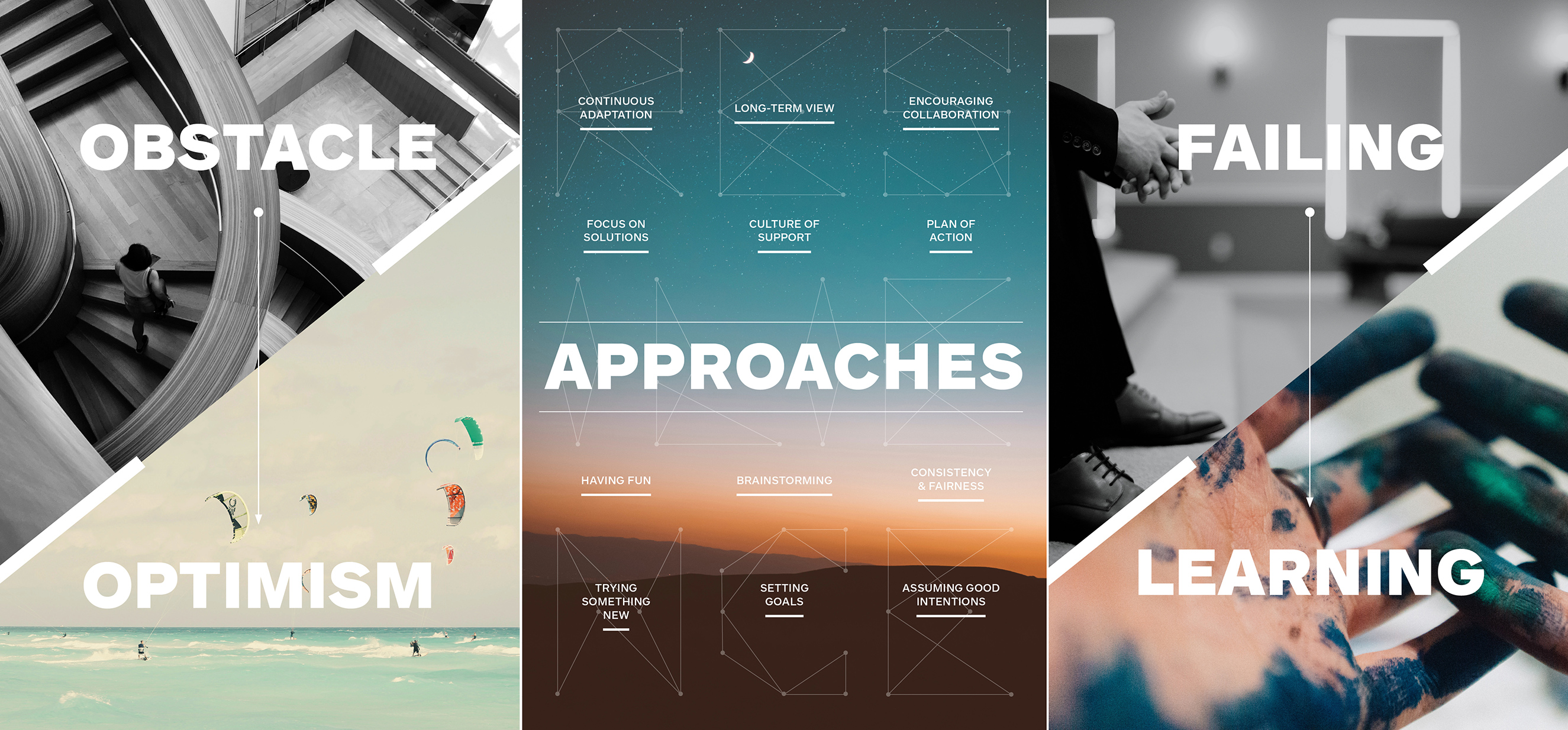
We aim for our own work to hold up over time. But graphic design, especially as a medium in the digital age, is often subject to trend — much like fashion, though on a slower cycle. Typefaces, color palettes, and stylistic tropes rise and fall. Swiss design principles have helped anchor many classic works in our field: they prioritize hierarchy, legibility, and functional form. But timelessness isn’t only about style — it’s also about purpose. The work that lasts tends to be built on something deeper: precision of message, strength of concept, and a respect for how people engage with what’s in front of them.

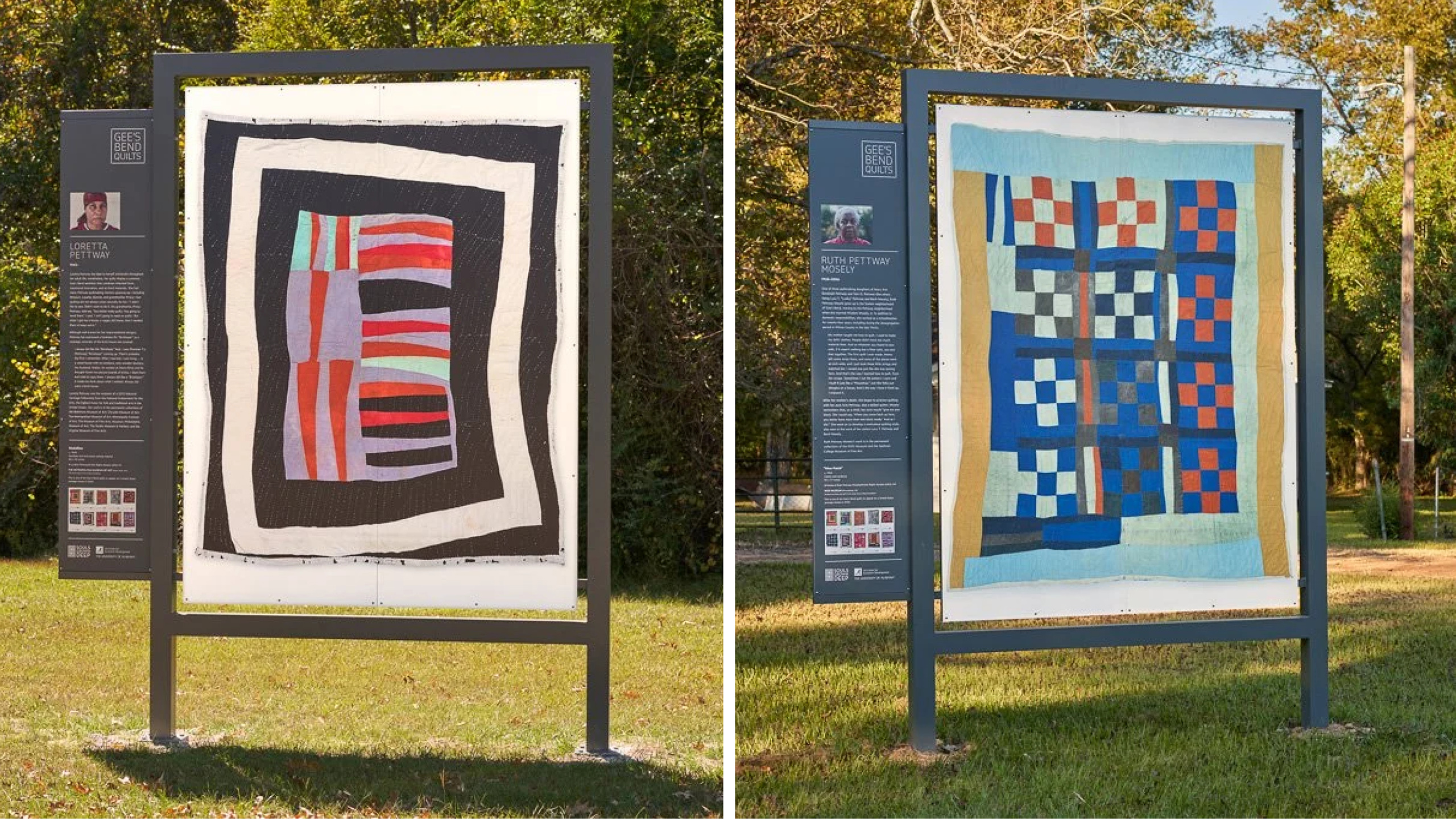
That’s part of why our portfolio includes not just our newest work, but also includes past projects. In an industry that often favors the latest, we’ve made a point to share older pieces we still stand by. Although they were made years ago, they're a testament to the value of designing with intention.
In Fiesole, thoughtful decisions made centuries ago still shape how people move, gather, and feel in a space. Much has remained, not just physically, but functionally and emotionally. When design is built on integrity and purpose, it doesn’t need to shout to be heard—across days, decades, or even millennia.